What Is the Difference Between MWh, kWh, MW, and kW?
Understand the fundamental differences between MWh kWh MW and kW with clear power versus energy explanations and practical examples
Electricity terms can blend together if you are not familiar with them. Many people wonder about the real difference between MWh and kWh, and how these compare to MW and kW. This guide clears up the confusion by explaining power versus energy in simple, everyday language, so you never mix up these four common terms again.
Energy Versus Power
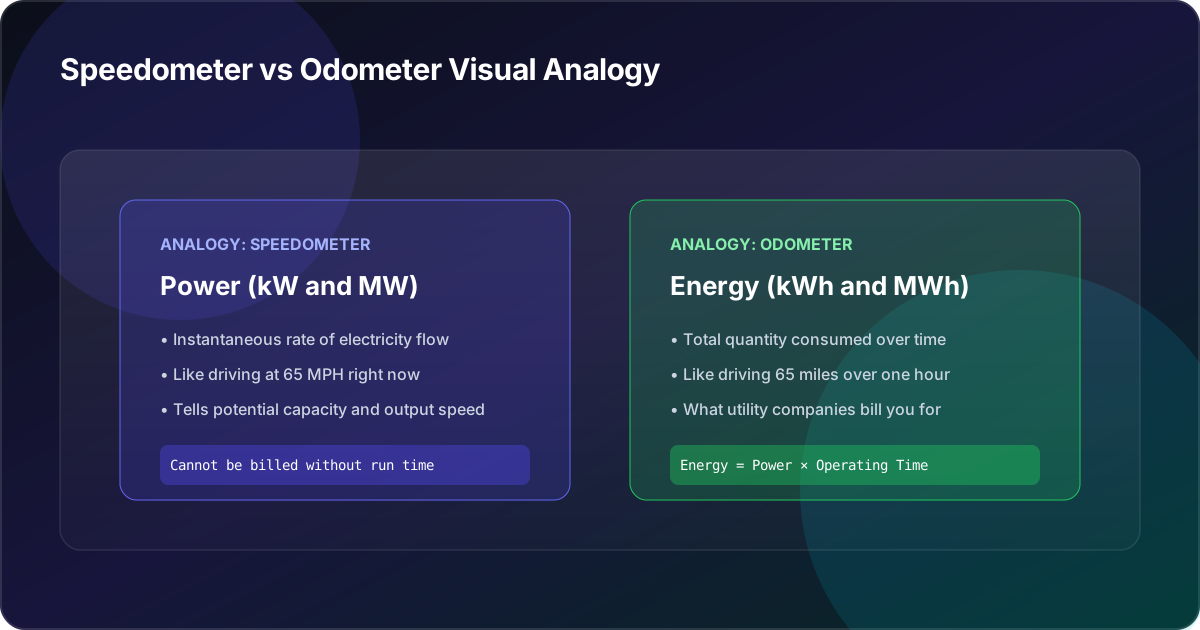
The biggest source of confusion comes from mixing up energy and power. Power measures how fast electricity is being used or generated at any given moment. Energy measures the total amount used over a specific period of time.
Understanding this difference is the foundation of every other explanation in this guide. Once you separate these two ideas, terms like power measurement and energy measurement start to make much more sense.
What a Megawatt Measures
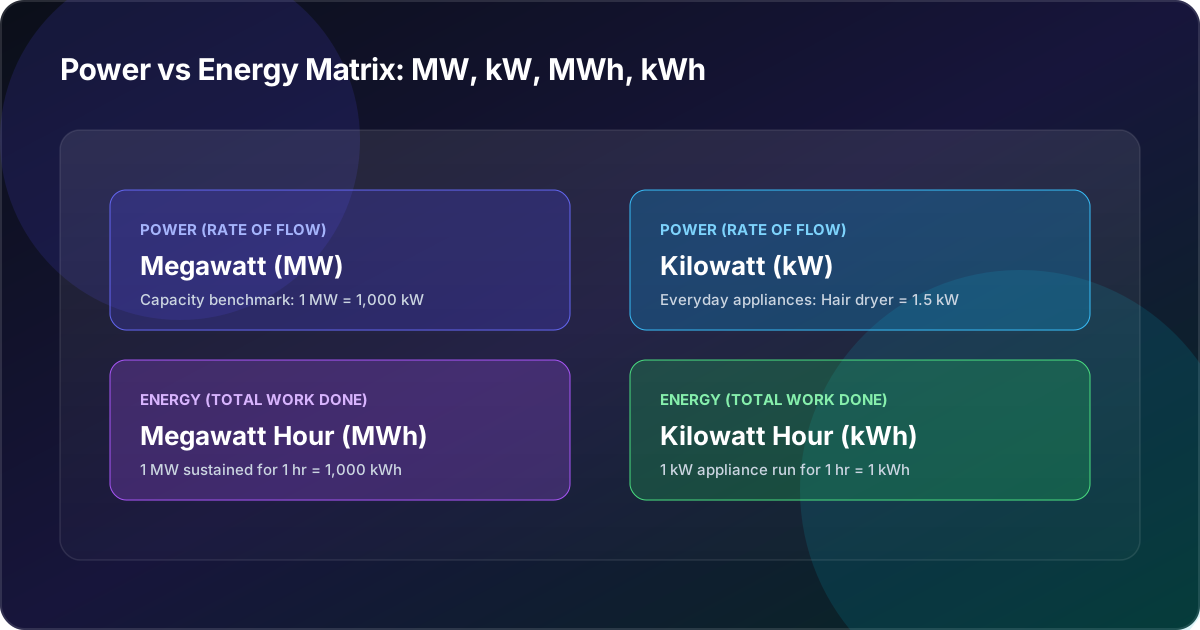
A megawatt, or MW, measures electrical power. It tells you how much electricity a system can generate or use at any single moment, not how much total energy it produces over time.
Power plants often list their capacity in MW. For example, a plant rated at 100 MW can generate up to that amount of power at any given moment, similar to a car’s speedometer showing potential speed rather than total distance traveled.
What a Kilowatt Measures
A kilowatt, or kW, works the same way as MW but on a smaller scale. It also measures electrical power, just at a level more suitable for homes and small businesses.
For example, a hair dryer might use 1.5 kW while running. This tells you the rate of electricity use, not the total amount consumed over an entire day or month.
What a Megawatt-Hour Represents
A megawatt-hour measures total energy used or produced over one hour, based on a rate of one megawatt. This shifts the focus from power to actual energy, which is a completely different concept.
If a plant runs at 100 MW for one hour, it produces 100 MWh of energy. This distinction between rate and total is essential for understanding electricity reports correctly.
What a Kilowatt-Hour Represents
Just like MWh, a kilowatt-hour also measures total energy, but at a smaller and more familiar scale. This is the unit used on almost every residential electricity bill in the United States.
If you run a 1 kW appliance for one hour, you use exactly 1 kWh of energy. This simple relationship makes kWh easy to understand for everyday electricity use.
Why Power and Energy Cannot Be Interchanged
It is tempting to treat these terms as interchangeable, but doing so leads to confusion. Power tells you the speed of electricity flow, while energy tells you the total amount used.
Mixing these ideas up is one of the most common sources of MWh MW confusion. Keeping them separate in your mind will make every future energy calculation much easier to understand.
Understanding MW-to-kW Conversion
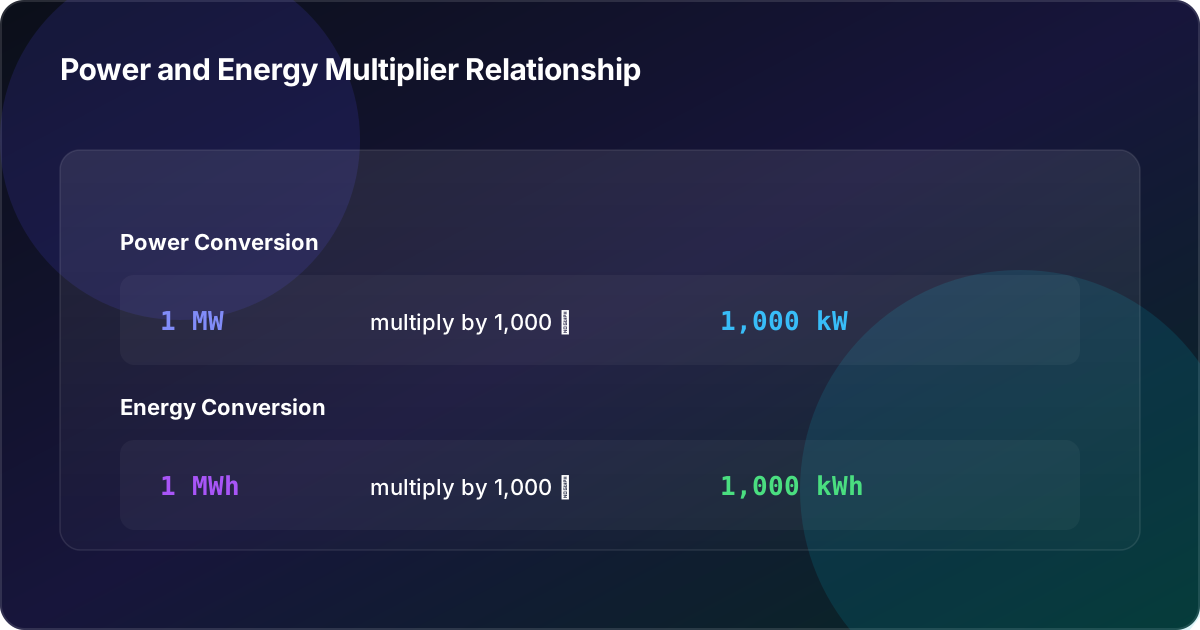
Just like MWh and kWh, MW and kW follow a similar pattern. One MW equals 1,000 kW, following the same mega prefix logic used throughout the metric system.
This means the relationship between MW and kW mirrors the relationship between MWh and kWh, just applied to power instead of energy.
| Unit | Measures | Scale |
|---|---|---|
| MW | Power | 1,000 kW |
| kW | Power | Base unit |
| MWh | Energy | 1,000 kWh |
| kWh | Energy | Base unit |
Connecting Power Ratings With Energy Usage
Power ratings tell you what a device or plant is capable of at any given moment, while energy usage tells you the actual total consumed over time. Both numbers work together to give a full picture.
For example, knowing a device’s power rating helps you estimate energy usage once you know how long it runs. This connection is key to understanding energy consumption patterns in daily life.
Common Unit Confusion in Electricity Calculations
Many people accidentally treat MW and MWh as the same thing, but they measure entirely different concepts. This mistake can lead to major errors in reports, homework, or business calculations.
Taking time to understand this electrical unit comparison prevents costly misunderstandings, especially in professional settings involving generation capacity and energy planning.
Conclusion
Understanding the difference between MWh, kWh, MW, and kW comes down to one key idea: two of these measure power, while the other two measure energy. Once you separate these concepts clearly, reading electricity reports, comparing electricity capacity, and understanding your own energy usage becomes far simpler. This foundational knowledge supports almost everything else you will encounter in the world of electricity measurement.