What Can You Calculate With kWh? Energy Management & Applications
Explore key energy management applications unlocked when converting MWh into kWh for property benchmarking and seasonal consumption tracking
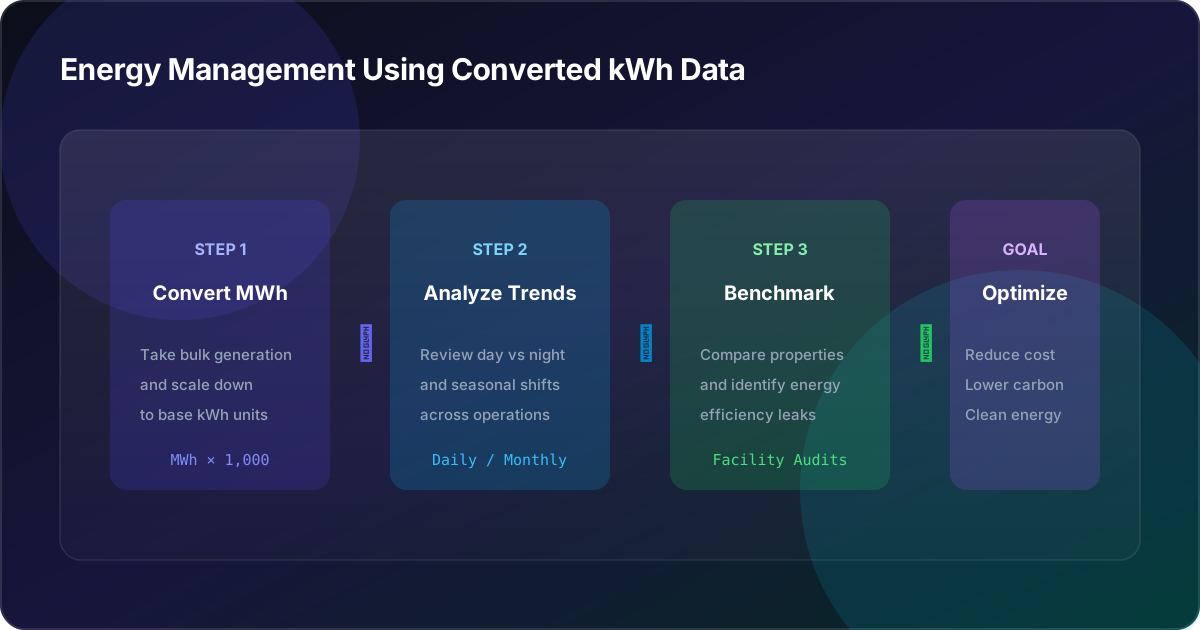
Converting energy units is only the first step. The real value comes from what you can do with that data afterward. Once you know what can you calculate with kWh, you unlock a wide range of practical uses, from budgeting to environmental tracking. This guide explores the most useful applications of converted kWh energy calculations.
Estimating Electricity Costs From kWh
One of the most common uses of kWh data is estimating cost. Utility companies charge based on a set price per kWh, making it easy to calculate electricity cost from kWh once you know your rate.
For example, if your rate is 15 cents per kWh and you used 900 kWh, your estimated cost would be $135. This simple multiplication helps households budget more effectively.
Comparing Energy Consumption Between Buildings
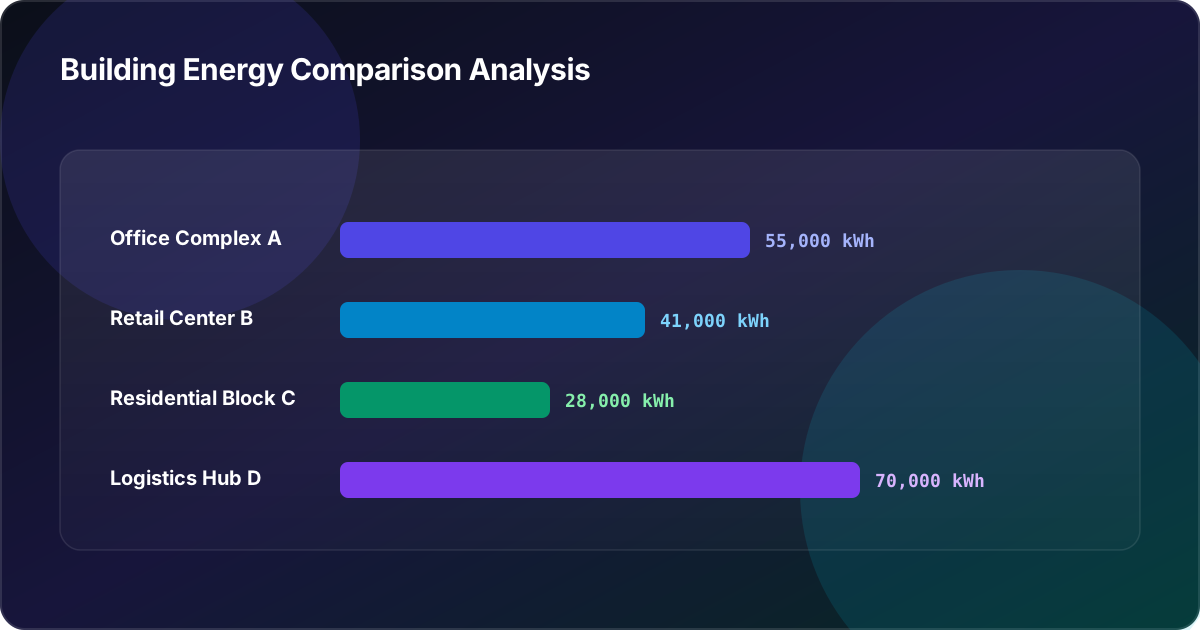
Converted kWh figures make it easy to perform a building energy comparison, whether you are comparing two homes, offices, or retail spaces. Since everything is measured in the same unit, direct comparisons become straightforward.
This kind of comparison helps property managers identify which buildings are consuming more electricity than expected, often revealing opportunities for efficiency improvements.
Calculating Energy Used Over Different Periods
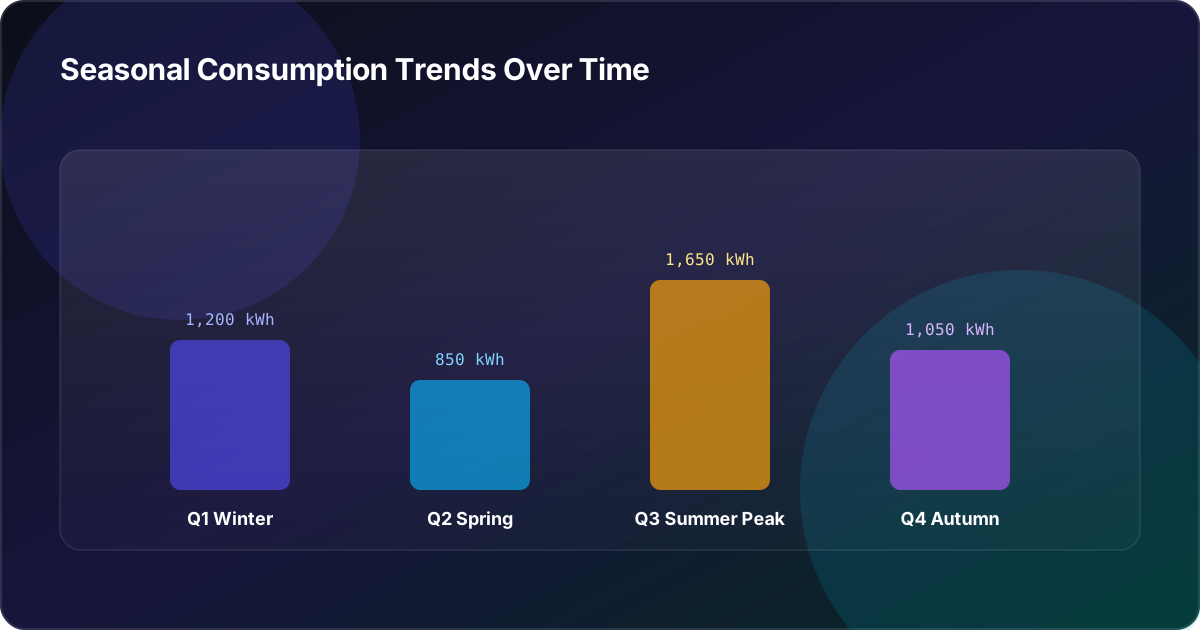
Once converted, kWh values make it easy to track usage across days, weeks, months, or years. This flexibility supports better consumption trends analysis over time.
Tracking these different periods helps households and businesses identify patterns, such as increased usage during certain seasons or specific days of the week.
Evaluating Renewable Electricity Production
Converted kWh figures also support renewable production analysis, allowing homeowners and businesses to measure how much of their electricity comes from solar or wind sources compared to the grid.
This evaluation helps determine potential savings and supports decisions about expanding renewable energy systems in the future.
Estimating Carbon Emissions From Energy Use
Many people use kWh data to calculate carbon emissions from kWh usage, since electricity generation often involves burning fossil fuels. Each kWh used contributes a certain amount of emissions, depending on the local energy mix.
This calculation supports personal or corporate sustainability goals, helping individuals and businesses track their environmental impact more accurately.
| Category | Example Calculation |
|---|---|
| Cost | 900 kWh × $0.15 = $135 |
| Carbon impact | kWh × local emissions factor |
| Efficiency | kWh per square foot |
Comparing Energy Efficiency Results
Energy efficiency comparisons become much easier once all your data uses the same unit. Comparing kWh per square foot, for example, helps identify which buildings or systems perform better than others.
This kind of comparison is widely used in commercial real estate and sustainability certifications to measure long-term performance improvements.
Tracking Changes in Electricity Consumption
Converted kWh data allows for simple electricity tracking over time, helping households notice increases or decreases in usage. This is especially useful after installing new appliances or making efficiency upgrades.
Monitoring these changes regularly supports smarter decision-making and can highlight problems like faulty equipment or unexpected energy waste.
Converting Energy Data for Spreadsheets
Many professionals convert MWh data for spreadsheets to create detailed reports, charts, and forecasts. Keeping everything in kWh format ensures consistency across large datasets.
This approach supports clean, organized energy spreadsheet work, especially for teams managing multiple properties, departments, or utility accounts.
Using kWh in Practical Energy Calculations
Beyond cost and efficiency, kWh values support countless everyday calculations, from estimating appliance running costs to planning future electricity needs for new systems or expansions.
These practical uses of kWh data make the unit one of the most valuable tools available for anyone managing electricity use, whether at home or within a large organization.
Conclusion
Once you convert MWh into kWh, the real value begins. From estimating costs and tracking energy performance to evaluating renewable production and carbon impact, this single unit supports countless practical applications. Understanding energy management through kWh data empowers households, businesses, and analysts alike to make smarter, more informed decisions about electricity use every single day.