How Do You Convert MWh to kWh for Solar Panel and Renewable Energy Output?
Learn how to convert solar and wind energy output between MWh and kWh across daily monthly and annual renewable generation reports
Solar and wind energy have become a major part of America’s electricity supply, and understanding their output requires comfort with both MWh and kWh. If you are trying to convert solar MWh to kWh, this guide walks through the entire process using clear, real-world examples relevant to renewable energy output tracking.
Measuring Solar Electricity Generation
Solar panels generate electricity that gets measured using standard solar energy conversion units. Small residential systems typically report output in kWh, while larger farms use MWh due to their much bigger scale.
Understanding this difference helps homeowners and businesses compare their own solar electricity output against larger regional or national solar projects.
Reading Solar Farm Production Data
Utility-scale solar farms often publish daily, monthly, and annual production totals. Because these systems generate enormous amounts of electricity, solar farm production figures are almost always listed in MWh.
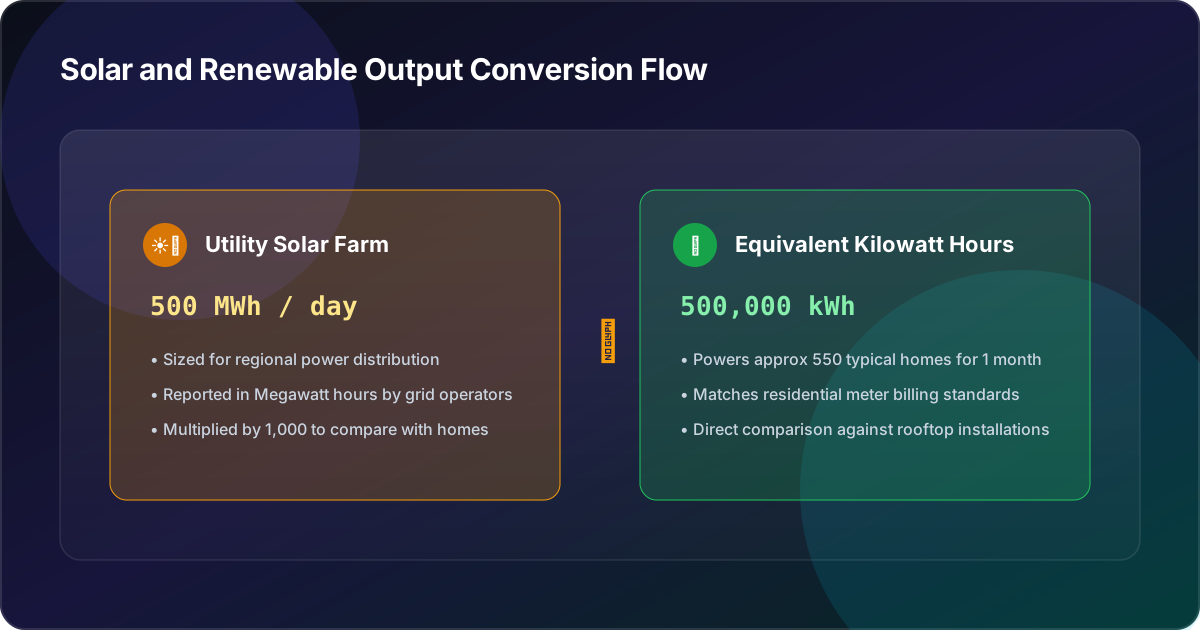
A single farm might generate 500 MWh in one day. Converting this to kWh gives 500,000 kWh, which helps put the scale into perspective for smaller comparisons.
Converting Daily Solar Output
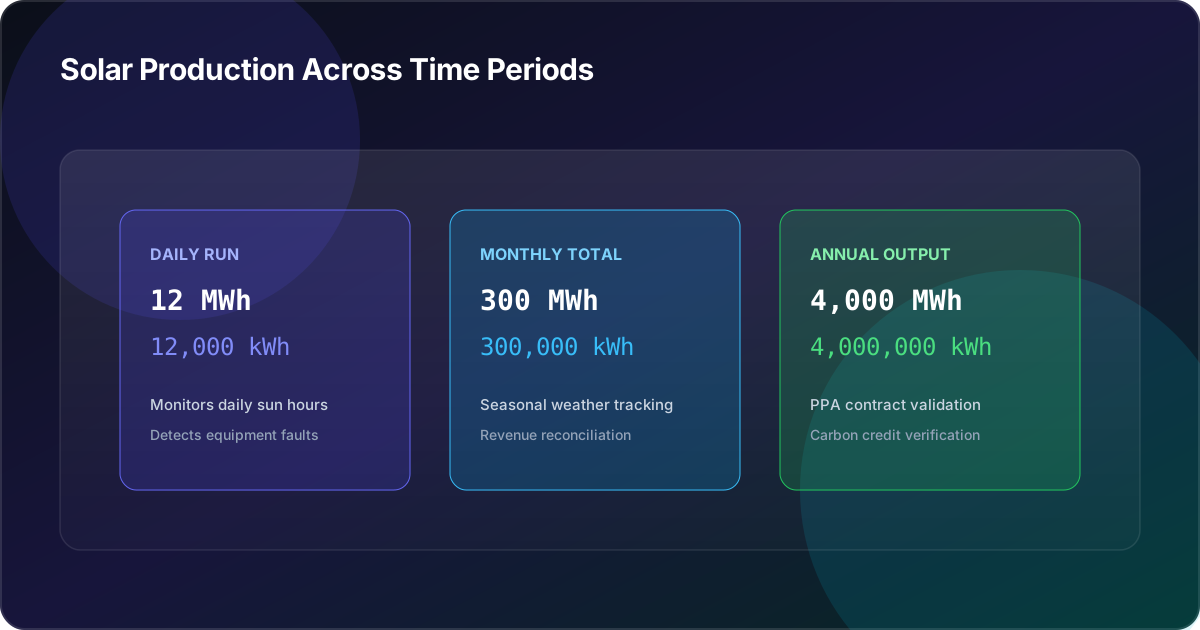
To convert daily solar MWh to kWh, simply apply the standard formula and multiply by 1,000. If a solar farm generates 12 MWh in a single day, that equals 12,000 kWh.
This daily breakdown helps engineers and analysts monitor performance and identify any unusual drops in photovoltaic generation caused by weather or equipment issues.
Calculating Monthly Renewable Generation
Monthly solar generation conversion figures help track performance trends over time. A solar farm producing 300 MWh in a month converts to 300,000 kWh.
This kind of monthly data is useful for comparing performance across different seasons, since solar output naturally changes with daylight hours and weather patterns throughout the year.
Estimating Annual Solar Energy
Annual solar MWh calculation figures give a full-year view of performance. If a solar farm produces 4,000 MWh annually, that translates to 4,000,000 kWh once converted.
These yearly totals are often used in sustainability reports and help companies measure progress toward renewable energy targets and carbon reduction goals.
Understanding Capacity Factor Data
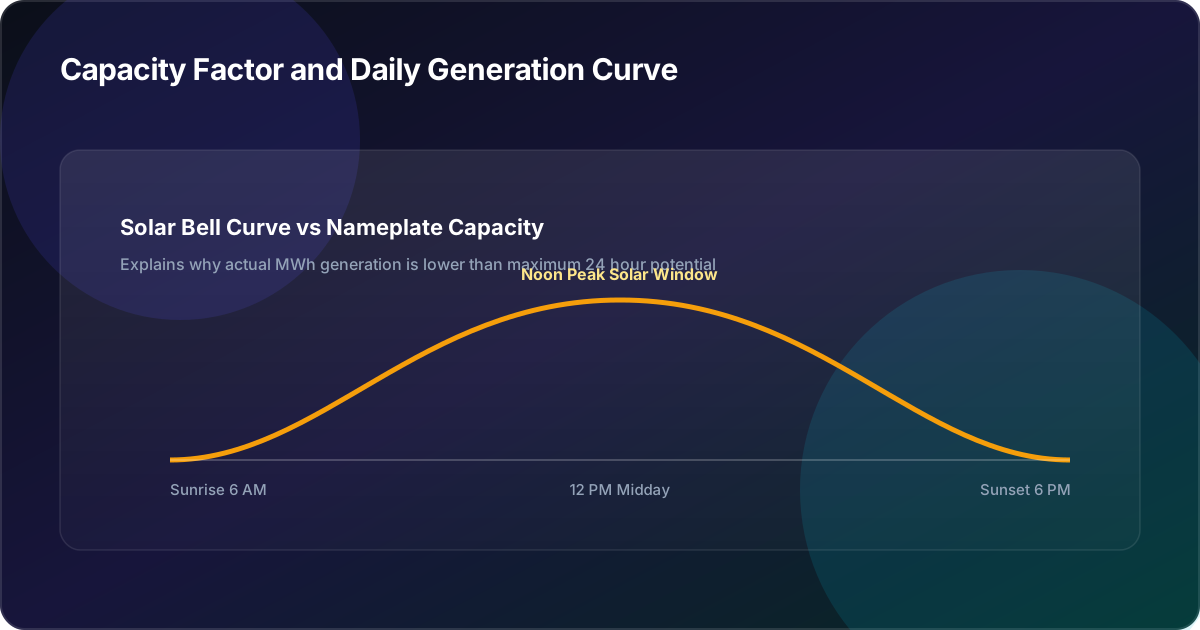
Capacity factor data shows how much of a system’s maximum potential output is actually being used. This percentage helps explain why real-world MWh and kWh figures rarely match theoretical maximum output.
For example, a solar farm rarely operates at full capacity around the clock, since sunlight availability changes throughout the day and across seasons.
| Time Period | MWh Output | kWh Output |
|---|---|---|
| Daily | 12 | 12,000 |
| Monthly | 300 | 300,000 |
| Annually | 4,000 | 4,000,000 |
Comparing Solar Production Across Systems
Converting everything into the same unit makes it much easier to compare solar generation in kWh across different systems, whether comparing two farms or a farm against a home rooftop system.
This kind of comparison supports better decision-making for solar system performance evaluations, especially when businesses are choosing between different providers or technologies.
Converting Wind Generation Measurements
Wind energy follows the exact same conversion process as solar. To convert wind generation to kWh, multiply the MWh figure by 1,000, just as you would for any other energy source.
This consistency across renewable sources makes it easier for analysts to compare solar, wind, and other clean energy production using one standardized approach.
Using kWh for Household Energy Comparisons
Homeowners often want to know how their own household solar energy system compares to larger installations. Converting large MWh figures down to kWh makes this comparison much more relatable.
For example, comparing a home system’s 8,000 kWh annual output to a farm’s 4,000,000 kWh output shows just how much bigger utility-scale renewable projects really are.
Conclusion
Converting renewable electricity figures between MWh and kWh follows the same simple formula used throughout the energy industry. Whether you are tracking solar production data, analyzing wind output, or comparing your home system to a larger farm, multiplying or dividing by 1,000 keeps everything consistent. This makes it easier to understand your role in the growing world of green energy measurement and clean electricity production.